


When I was a kid, The Wizard of Oz was a once-a-year event. Every spring, it aired on TV, and for that one night, the world felt a little more magical. Back then, it was a simple story—a little girl, her dog, a tornado, and a strange land filled with witches, flying monkeys, and talking scarecrows. It was about adventure, courage, and getting back home.
Then, as a young adult, I did what a lot of people my age did—I turned off the dialogue, synced the movie to Dark Side of the Moon, and watched it unfold with fresh eyes… often while tripping on LSD. And let me tell you, it was a whole different story.
Suddenly, Dorothy wasn’t just a girl in Kansas—she was all of us. The Yellow Brick Road wasn’t just a path—it was the system we’re all expected to follow. The Tin Man? Industry without a heart. The Scarecrow? A workforce convinced it has no brain. The Cowardly Lion? The part of us that’s afraid to fight back. And that so-called all-powerful Wizard? A fraud, hidden behind curtains, selling illusions of control.
And then, of course, there was Toto. Our last little connection to nature, to truth. And it was Toto—not the heroes, not the so-called wise men—who pulled back the curtain and exposed the lie.
That’s when it hit me. That’s life.
Now, I’m not saying life is a psychedelic fever dream. But if a little dog pulled back a curtain tomorrow and exposed the Kardashians as three Botoxed toads in designer heels, wearing mascara and lipstick, I wouldn’t be all that surprised.
Would you?
But what I am saying is—what if we’ve been looking at this whole thing all wrong?
Step back for a moment and look at the reality we’re living in. Not just today, not just under this administration or the last, but across the past 10, 15, even 20 years. The world has changed—not by accident, but by design.
We have witnessed an unprecedented acceleration in technology. What once required entire rooms of equipment now fits in the palm of our hand. The shift from desktops to laptops to tablets to smartphones has reshaped not only how we access information but how we interact with the world itself. The internet, once a tool, has become the infrastructure of modern life.
At the same time, consumer culture has evolved at a hypersonic pace. The way we shop, the way we receive goods, the expectations of immediacy—all of it has been rewritten by the digital marketplace. What was once a matter of browsing aisles is now a matter of clicking and expecting it at our door in hours. Convenience has become the currency of modern commerce, fueling industries, reshaping economies, and redefining the relationship between corporations and consumers.
It is a rapidly changing world. And when things change this fast, it’s easy to miss something along the way. One day it was AOL and that funny squelch of our dial-up modem transmitting our inter-web content at breakneck snail’s pace. Then, in what seems like a blink of the eye, we’re heads-down, scrolling on this weird plastic, glass and metal devices that connect with nanosecond speed and intensity through satellite dish and wi-fi connectivity. Set aside how we got here, let’s start with looking at the world around us, and what do we see?
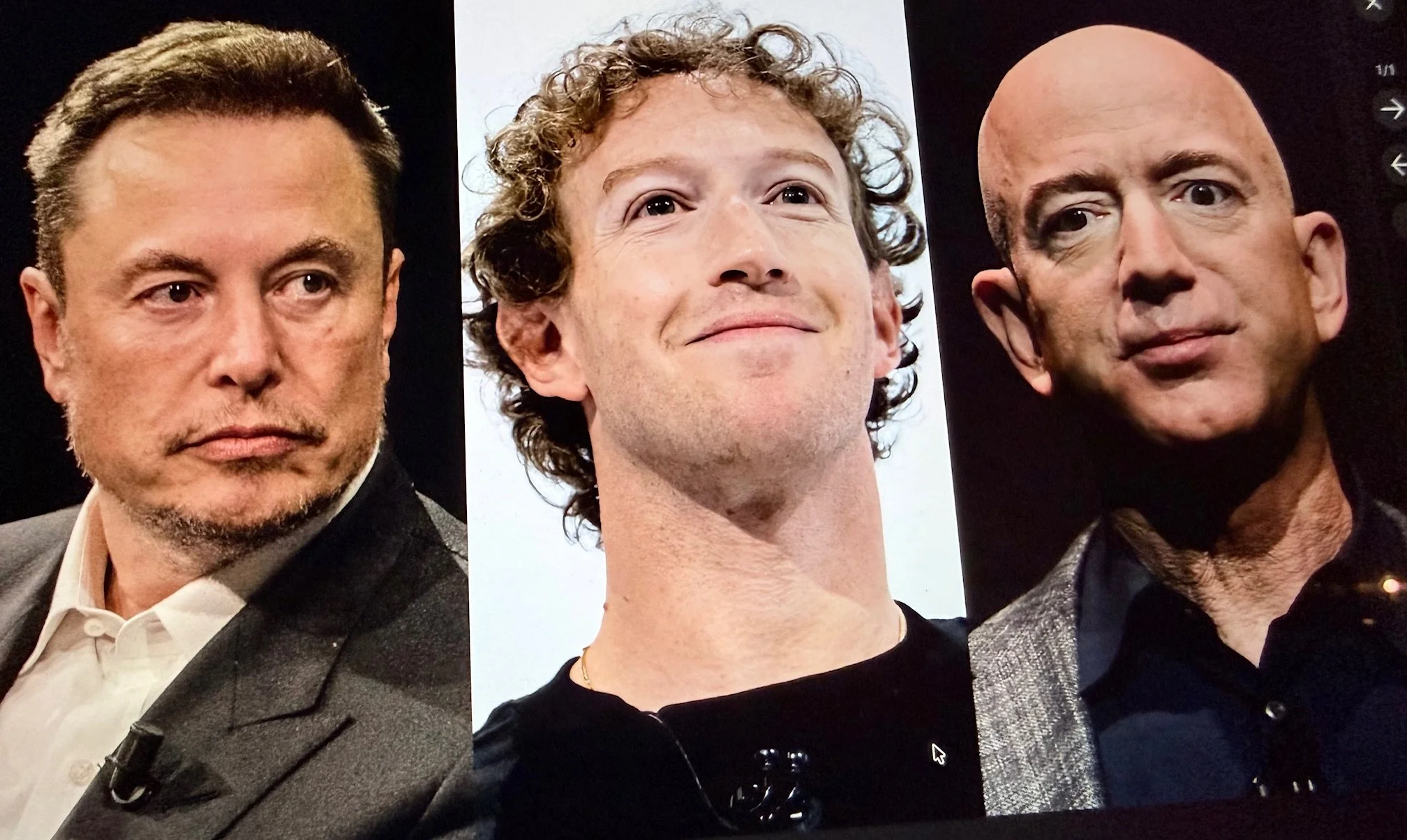
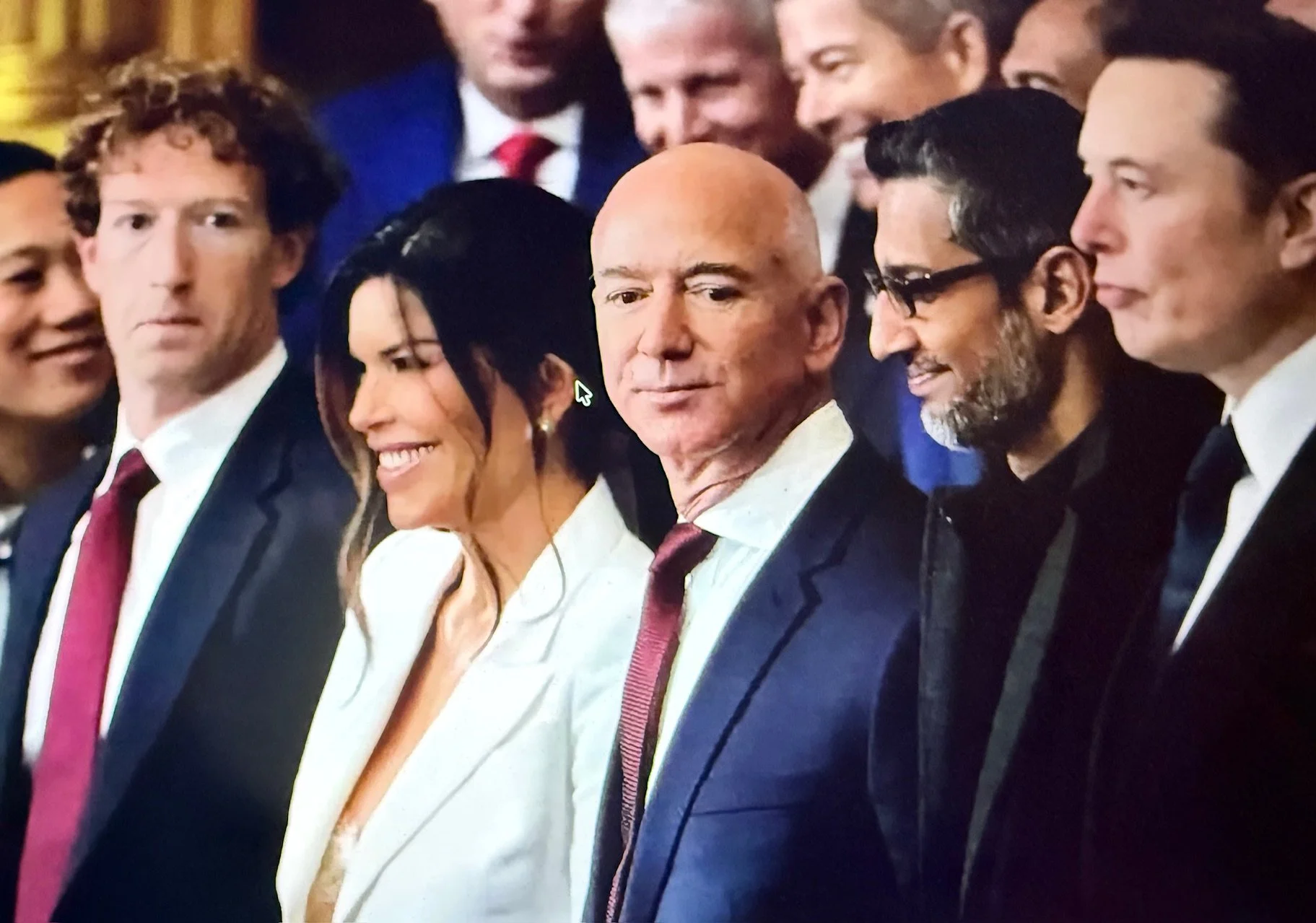
Mark Zuckerberg redefined the way we connect, communicate, and consume information, turning a social experiment into the backbone of modern society. Jeff Bezos transformed not just how we shop, but how commerce itself operates, rewriting the rules of the American economy. And then there’s Elon Musk—the 21st century’s answer to Thomas Edison, the self-styled boy wonder promising a future of electric cars, space travel, and limitless possibilities. There is truth in the story of these three very successful people. Perhaps there is some kind of substance too, but is there a curtain to pull back?
I’m just wondering, just a curious notion, but indulge me, please…Is this a Matrix, a glitch in the system or am I really seeing what am I am seeing? I don’t know, perhaps you can tell me, one way or another, what do you see when you look around the world?
That is what this article asks; Do you see what I see?
This article, almost an essay by now, is simply about the 3 most important things I have observed and the natural responses I have to my perceptions of reality. What more is there, but if not for how we perceive the life we live, the experiences we share, right?
This is three things, important things and in the spirit of the late Frank Zappa, let’s call this diatribe “The Three Crux Solution”
The First Crux: Seeing Beyond the Illusions
Lance Armstrong wasn’t just a champion—he was the American Hero. The living embodiment of grit, perseverance, and the unbreakable human spirit. He beat cancer, conquered the Tour de France seven times, and turned his comeback story into a global movement. LIVESTRONG!
Lance Armstrong was an American hero—until, suddenly, he wasn’t.
For years, he denied doping allegations with the kind of ferocity usually reserved for cornered politicians. He didn’t just reject the accusations—he annihilated anyone who dared question him. Careers? Ruined. Reputations? Burned to the ground. Whistleblowers? Sued into oblivion. And the whole time, we believed him—not because the truth was on his side, but because we needed it to be.
But when the truth unraveled, it unraveled everything. Armstrong wasn’t just a fraud—he was a carefully engineered myth, proof of how easily we buy into a story when we want it to be true.It turns out his quads were not his strongest asset, it was his ability to gaslight the entire damn world!
And he wasn’t the only one.
We’ve seen it before—oh, have we seen it before.
O.J. Simpson—once the golden boy of football, now more famous for courtroom drama than touchdowns. His biggest run wasn’t on the field; it was down the freeway in a white Bronco.
Tiger Woods—a golf prodigy with the cleanest swing in the game and the messiest personal life off the course. Turns out, his biggest hazard wasn’t a sand trap—it was a voicemail.
Barry Bonds—baseball’s home run king, whose records should have come with an asterisk the size of the outfield. His arms got bigger, his numbers got better, and somehow, we were all supposed to believe it was just good protein shakes.
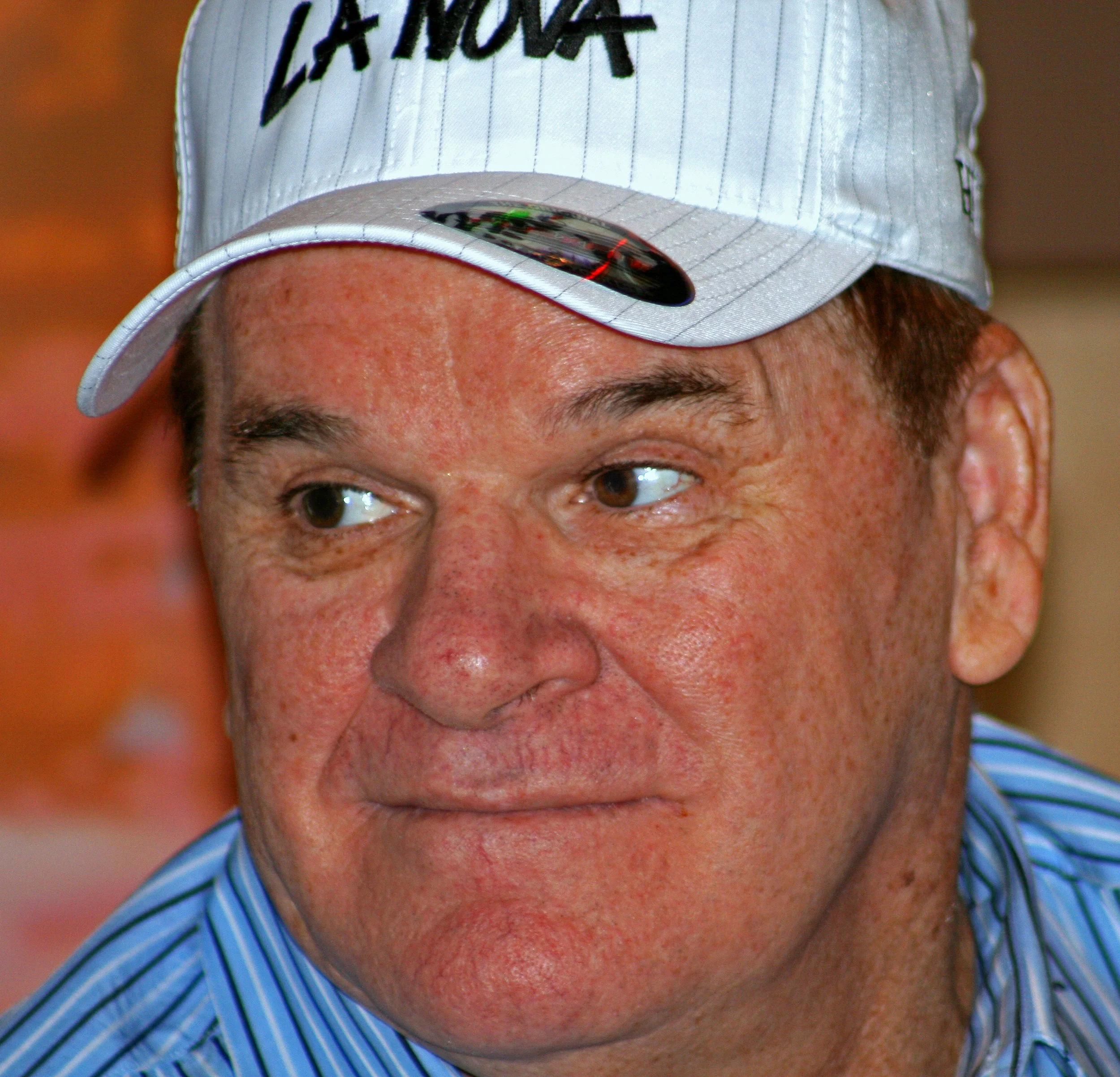
Pete Rose—proof that betting on yourself isn’t always a good idea. He didn’t just gamble on games; he gambled away his own legacy. And spoiler alert: he lost.
Joe Paterno—a coaching legend whose silence cost him more than any loss on the field ever could. He built an empire, turned a blind eye, and watched it crumble under the weight of a truth he refused to acknowledge.
The higher they climbed, the harder they fell. And let’s be honest—some of them barely had a parachute. Some of them had Golden or Even Titanium Parachutes, didn’t they?
Mark Zuckerberg; The Maestro of Manipulation
Take Mark Zuckerberg, the so-called genius behind Facebook. The truth is, he didn’t even come up with the idea himself. If Aaron Sorkin’s The Social Network was anything close to reality, Zuckerberg stole key ideas from the Winklevoss twins and betrayed a supposed best friend along the way. Facebook wasn’t born out of brilliance—it was born out of lawsuits. And from its inception, it was designed not as a platform for connection, but as a data-mining operation. It started with exclusivity—college students by invitation only—not because Zuckerberg wanted to build an elite network, but because Facebook needed time to refine its ability to track, categorize, and monetize human behavior before going fully public.
The biggest lie of social media is that you are the customer. You’re not. You are the product. Your data, your preferences, your browsing history, your personal relationships—these are the real commodities being sold to advertisers, corporations, and even scammers. The explosion of online and phone scams over the past decade is no coincidence; it correlates directly with the rise of Facebook’s advertising model. The more the platform gathers on you, the more criminals can target you. Scammers don’t need to guess who you are anymore—Facebook already sold them that information.
This is why elder scams have skyrocketed, with fraudsters now able to call an unsuspecting grandmother, armed with the knowledge of her grandchildren’s names and ages, and spin a convincing lie about a grandchild in trouble. This has happened to people I love—which is why they’re no longer on social media at all.

Elon Musk: The World’s Greatest Con Artist
And then there’s Elon Musk—the man, the myth, the walking meme. His fans worship him like a modern-day Edison, but let’s be real—he’s much closer to P.T. Barnum in a spacesuit. A showman. A manipulator. And above all else, a world-class con artist.
Let’s get one thing straight: Musk didn’t build Tesla. He didn’t even slap his own name on it—he stole Nikola Tesla’s. A man of true innovation, whose name now gets dragged through the mud every time one of Musk’s overpriced golf carts randomly bursts into flames. The real founders? Martin Eberhard and Marc Tarpenning. Tesla’s self-driving technology? Not his. Tesla’s battery advancements? Not his. The people who actually made Tesla successful? He fired them. And despite all the hype, Tesla cars are about as reliable as Musk’s Twitter decisions—random braking, unexpected fires, and occasional steering wheels that detach while driving. But sure, he’s a genius.
Then there’s SpaceX. Musk didn’t invent space travel—he just bought a bigger rocket. He repackaged NASA’s decades of research, cashed in on government contracts, and acted like he was rewriting the laws of physics. Now, he’s flooding low Earth orbit with overpriced, half-baked Wi-Fi dishes that barely function. Starlink was rushed to market before it was ready, and anyone who’s actually used it knows the design is an afterthought—bad reception, fragile hardware, and a modem so sleek it forgets to be useful. I know because I bought the hype, we dropped the $600 equipment investment and now we pay the $120 service fee, I know Starlink very well. But sure, he’s a genius.
And then there’s Twitter. Sorry, Txitter? Or Titter? Or whatever the hell we’re calling this slow-motion train wreck. Musk fired thousands of employees overnight, turned verification into a pay-to-play scam, and let hate speech run wild—all while pretending it was some grand crusade for “free speech.” And yet, for all his posturing, the man can’t handle one joke at his expense. Hell, he spent $44 billion just to silence people who made fun of him. But sure, he’s a genius.

Now think bigger.
What happens when it’s not just athletes caught in a lie, but entire systems?
We were told Saddam Hussein had weapons of mass destruction—a claim so ironclad it justified a war that cost hundreds of thousands of lives. The government said it. The media repeated it. The experts swore by it. And we believed it. Except… it wasn’t true. There were no WMDs. Just a trillion-dollar mirage and a body count to match.
We were told the banks were too big to fail. That after they torched the economy with reckless speculation, they had to be bailed out. So we saved Wall Street and abandoned Main Street. And then our government turned to the very people who created this crisis, the bankers and stock market speculators, to find a way to fix the crisis. Even worse, the government leaned into the corporate solutions even more since that “financial crisis” nearly twenty years ago. Wall Street went right back to business. On Main Street, meanwhile, millions of Americans lost their homes, their pensions, their futures.
We bought these stories because they weren’t just sold to us—they were installed as unquestionable truths. Just like we believed in Lance Armstrong.
And just like the athletes, these systems didn’t fall on their own. They were exposed.
Today, the billionaire class—Musk, Bezos, Zuckerberg—have turned deception into an art form. They don’t create innovation; they create narratives. They aren’t visionaries; they’re just really good at PR. They rewrite history in real time, selling themselves as genius pioneers when, in reality, they’re just greedy opportunists who played the system better than the rest of us.
But here’s the thing about myths: Pull back the curtain, and they collapse.
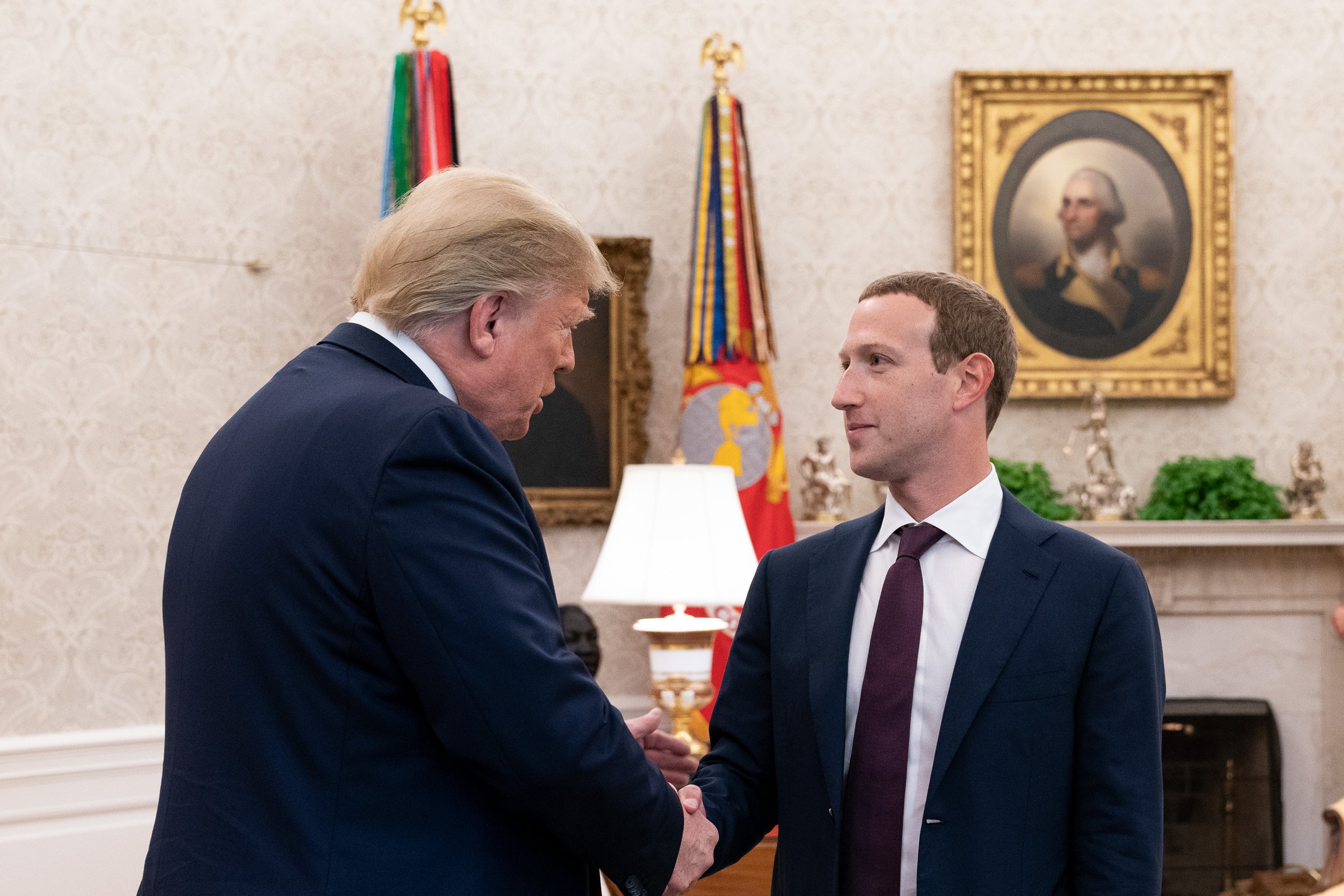
Jeff Bezos: The King of Exploitation
Then there’s Jeff Bezos, the man who built a trillion-dollar empire—not through innovation, but through loopholed greed. His grand vision for e-commerce? Books. Not because he loved literature, but because books had cheaper postage rates. That’s it. Amazon wasn’t the result of genius—it was the result of a pricing quirk in the USPS handbook.
And from there, he did what all good monopolists do: he found a way to squeeze every last drop of profit out of workers, tax codes, and small businesses before grinding them all into dust. Bezos didn’t refine e-commerce; he refined monopoly.
For decades, Amazon has perfected the art of human misery in the name of efficiency. Warehouse workers—the people who make Amazon’s entire empire function—are timed so mercilessly that bathroom breaks have been replaced with bottle-filling drills. AI tracks their every move, ensuring they work at speeds that make machines look lazy. They aren’t employees; they’re disposable assets, burned out and tossed aside at record rates.
And let’s talk about Amazon’s drivers—the overworked, underpaid human equivalents of homing pigeons, racing against impossible quotas with their own health on the line. Bezos, of course, distances himself from the carnage by outsourcing the dirty work to third-party contractors. So when a driver collapses from exhaustion, or when yet another Amazon worker dies on the job, the company just shrugs. “Not our employee.”
But here’s the real magic trick—Amazon’s low prices have turned consumers into addicts, hooked on the dopamine hit of one-click convenience. And what’s the hidden cost of this addiction? Thousands of small businesses obliterated, entire industries swallowed whole, and a supply chain controlled by one ruthless corporate entity.
Even when Bezos stepped down as CEO, he didn’t loosen his grip—he just redirected his control obsession elsewhere. Bought The Washington Post (because, let’s be honest, what’s a billionaire without a media empire?). Launched Blue Origin, his space vanity project, because why fix Earth when you can spend billions trying to colonize the stars?
And through it all, Amazon pays almost nothing in taxes—despite pulling in hundreds of billions.
Why is this allowable? Not because the system is broken, but because it’s working exactly as it was designed to: for them, not for us.
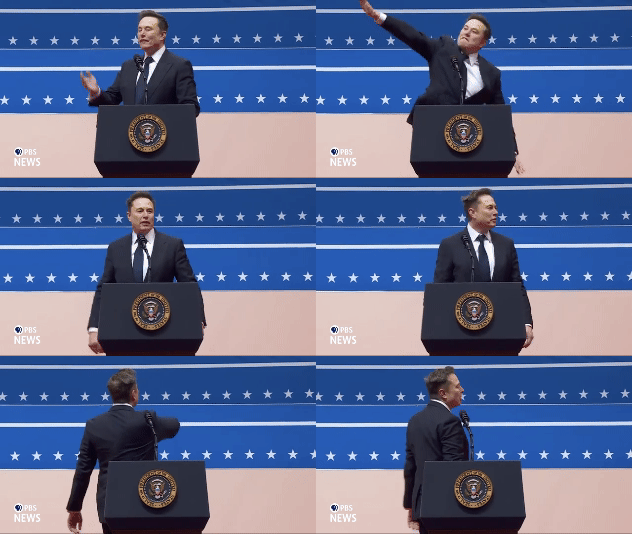
Oh, and speaking of bad decisions and unnecessary name changes, let’s not forget how Musk treats his own trans child. He publicly disowned them, dead named them, and declared that his child had been “lost” to the woke mind virus. Lost? No, Elon—they left you. Maybe if you spent less time collecting children like NFTs and more time acting like a father, you wouldn’t have to keep repopulating the planet out of sheer guilt. But sure, he’s a genius.
And let’s talk about that kid he had with Grimes. You know, the one with a name that looks like someone sneezed on a keyboard? This is a man whose idea of fatherhood is branding his own offspring like a prototype electric scooter. But sure, he’s a genius.
Musk isn’t a visionary—he’s a rich kid who got richer by slapping his name on other people’s work. His real talent isn’t innovation—it’s branding. He’s spent decades and millions of dollars crafting a myth so airtight that people ignore the lawsuits, the failures, the labor exploitation, and the reckless nonsense that comes out of his mouth every time he tweets at 3 a.m. But sure, he’s a genius.
But like all con artists, eventually, the illusion falls apart. And when it does? There won’t be a self-driving Tesla left to steer him out of it.
Oh yeah, and he’s a Nazi too!
Zuckerberg, Bezos, and Musk: The Digital Manipulators
Mark Zuckerberg didn’t invent social media. He stole the idea, built a data-mining empire, and convinced us we couldn’t live without it.
Jeff Bezos didn’t revolutionize e-commerce. He exploited tax loopholes, crushed small businesses, and built a monopoly disguised as convenience.
Elon Musk didn’t create Tesla. He bought in, fired the real visionaries, and branded himself a tech messiah.
They aren’t innovators. They aren’t revolutionaries.
They are illusions.
And like all illusions—once you see through them, they lose their power.
It’s when you realize, The Emperor has No Clothes, the illusion of his power vanishes.