


How to Protest in the Age of the Al Gore Rhythm
A Field Guide for Outsmarting the Spectacle
An Observational Lesson from Pathos Romaniac,
14 June 25/Nevada County, California
“Discipline, not desire, determines destiny.” — Martin Luther King Jr.
〰️
“Discipline, not desire, determines destiny.” — Martin Luther King Jr. 〰️
I’m watching the response to ICE raids in Los Angeles with a mix of trepidation and regret. I’m thinking about the last time I had this kind of existential anxiety and what I’ve learned since.
Back around 1988, I sat in on a seminar that changed my view of protest. It was part classroom, part organizing salon. The speaker was Adolph Botnick, a Southern Jew from New Orleans and regional director of the Anti-Defamation League. He had deep ties to the civil rights movement—had worked with Medgar Evers, stood down the Klan, and quietly defused more violence than most people ever knew was coming.
He spoke plainly, without fanfare, but every word rang like gospel: Protest is theater—and most of us keep blowing the performance.
He warned that righteous outrage can be weaponized—not just by our adversaries, but by our own lack of strategy. If we don’t shape the story, the cameras and algorithms will do it for us. And they’ll turn our defiance into fear porn for swing voters in Wisconsin.
A protest isn’t a tantrum. It’s not therapy. It’s a ceremony—an invitation to a better world.
And no one accepts a ceremonial invitation when they’re being screamed at. Nobody watches chaos and thinks, Yes, those are the people I want speaking for me.
If you want your protest to matter, you have to know who your real audience is. And I’ll tell you—it’s never the police. Never the mayor. Not Congress. Not the Board of Supervisors. Not the men behind the riot shields.
Your audience is the American people—watching, unsure, trying to decide who they can trust. They want to know who will not embarrass them. Who has the discipline to lead. If you win them, you win power. And not just at the ballot box. You win moral authority. You win the chance to make real, lasting change.
Everything else is noise.
There are ways to get there. These aren’t new ideas—they’re time-tested tactics from the playbooks of civil rights and dignity movements. And they’re more vital now than ever.
1. Let Women Lead.
Women organize differently. They tend to be more collaborative, more inclusive. And whether we admit it or not, male-led protests often carry an undercurrent of violence. The optics matter. The energy matters.
2. Use Monitors.
Designate marshals in yellow vests with whistles. Their job is to signal danger—early. At the first sign of violence, they blow the whistle, and the real protesters sit down. Let the police spend their energy on the provocateurs trying to discredit the movement.
3. Dress Like It’s Sunday.
It’s hard to paint someone as a thug when they look like your next-door neighbor. You don’t have to wear a suit, but clean, presentable clothes matter. You’re not dressing for your oppressors—you’re dressing for your grandmother, your cousin in Ohio, the middle-schooler watching on their phone. Show them you came in peace.
4. Make It Silent.
Nothing rattles power like silence. It takes immense discipline to stand without chanting, without shouting. Let your signs do the talking. The silence itself becomes a message—about control, about purpose, about courage.
And in that silence, document everything—not for spectacle, but for truth. Share the protest from your point of view. Post with intention, not rage. Let your footage reflect the calm, the dignity, the discipline of the protest. That’s how you beat the algorithms: by refusing to give them chaos to chew on.
5. Go Home at Night.
In the dark, the lines blur. You can’t tell the cops from the criminals. You can’t see who threw the first bottle. You lose control of the story. Protest in daylight. Come back at dawn. Fresh. Clear. Visible.
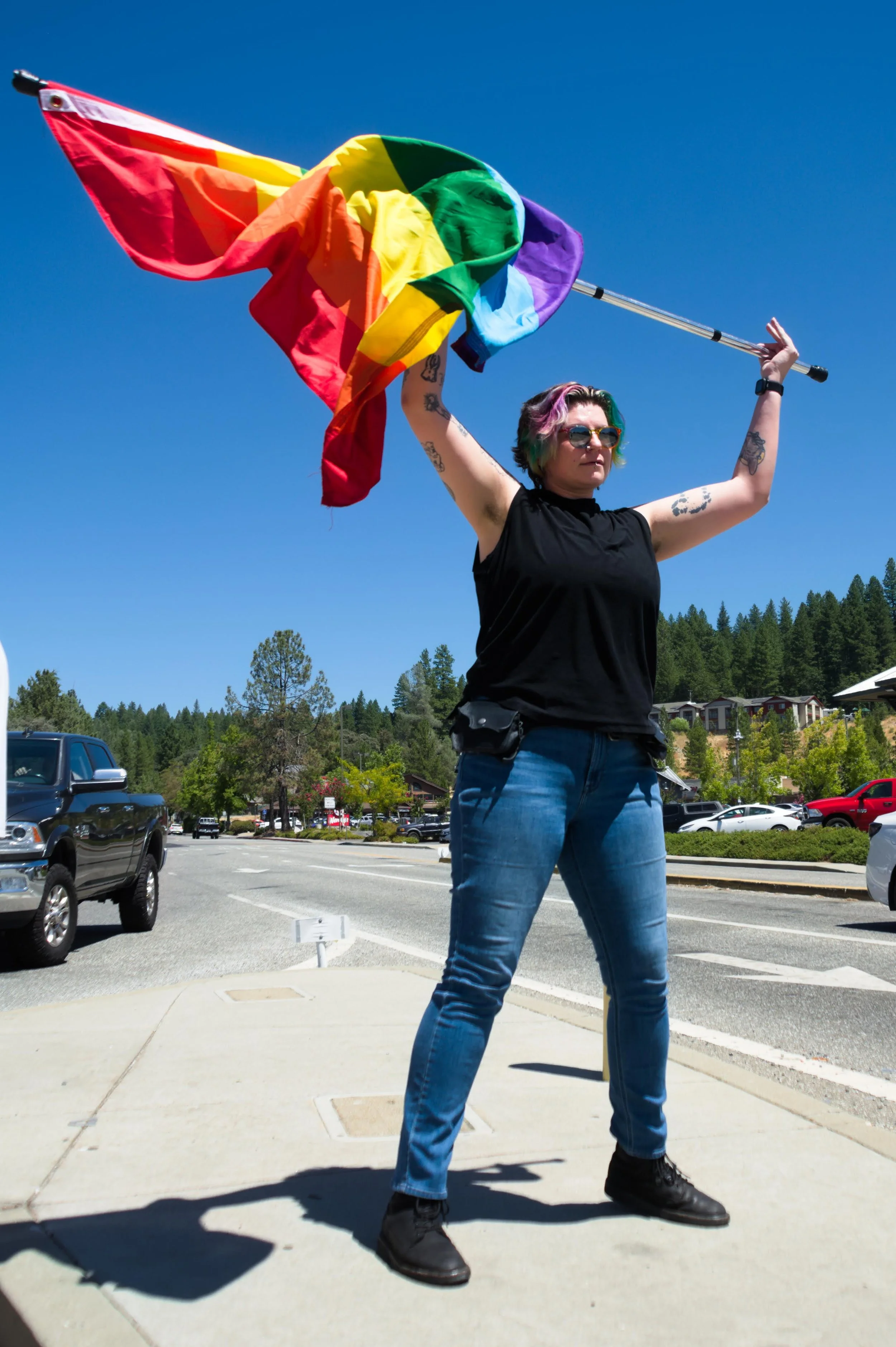
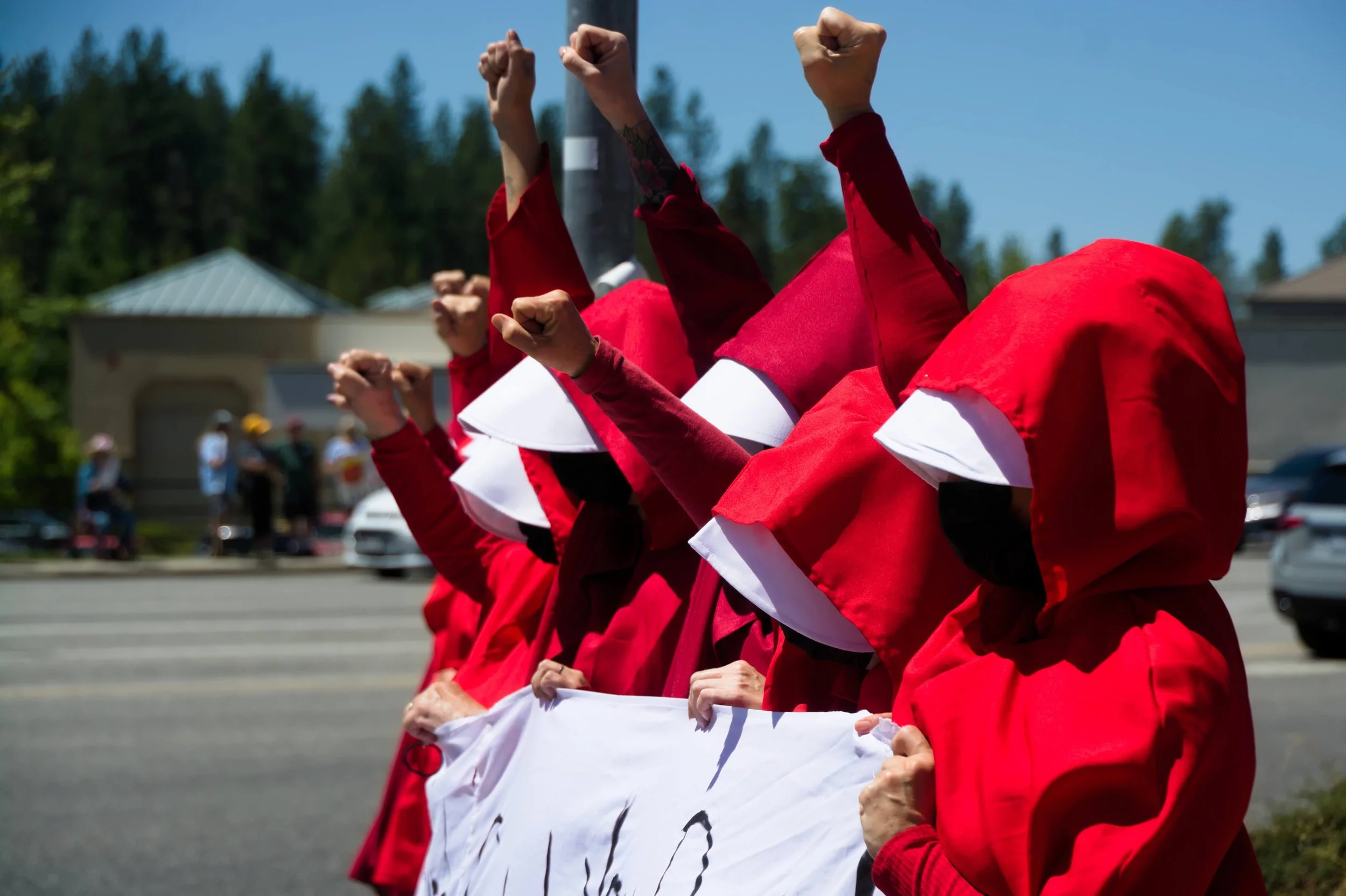
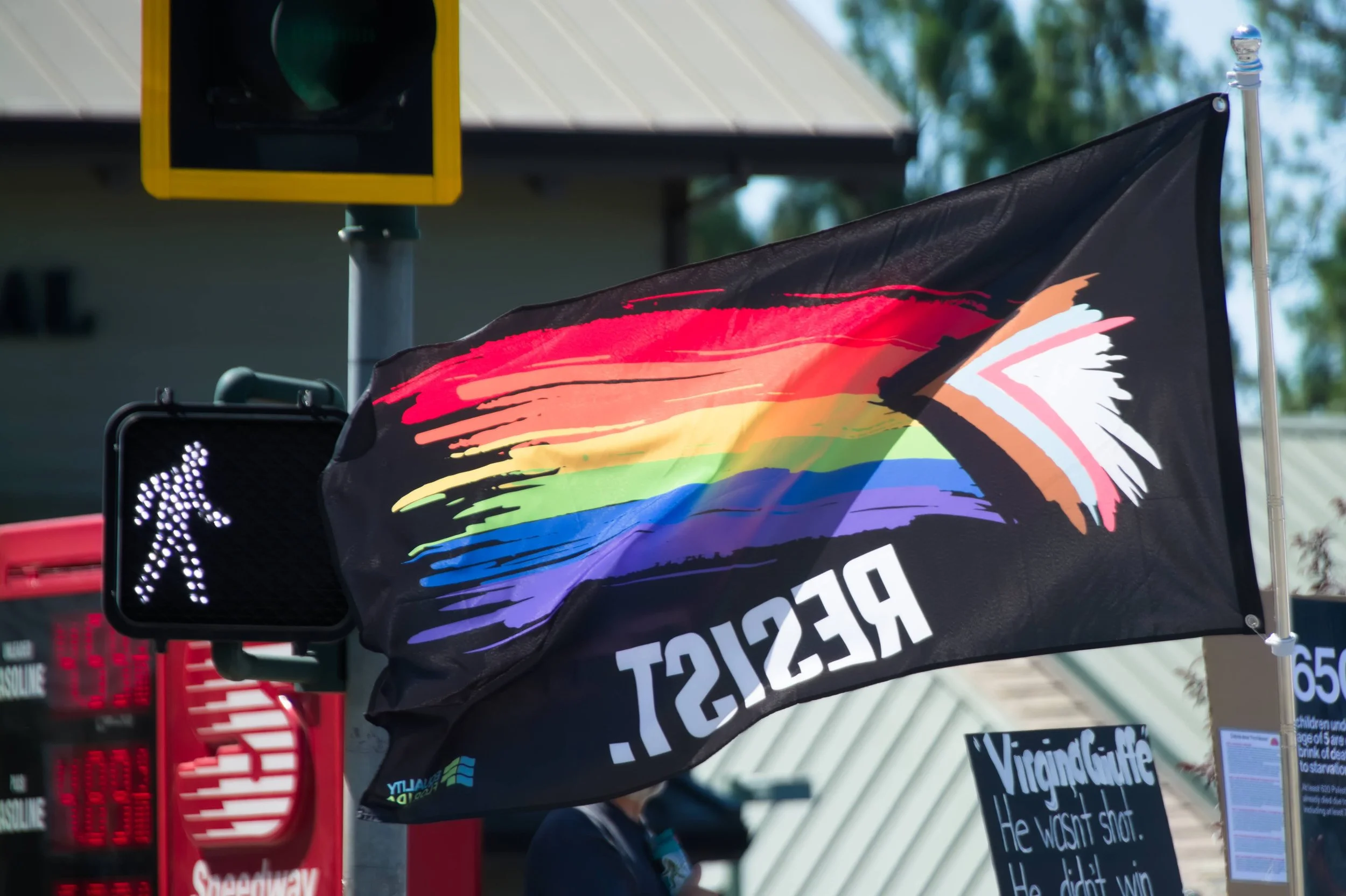
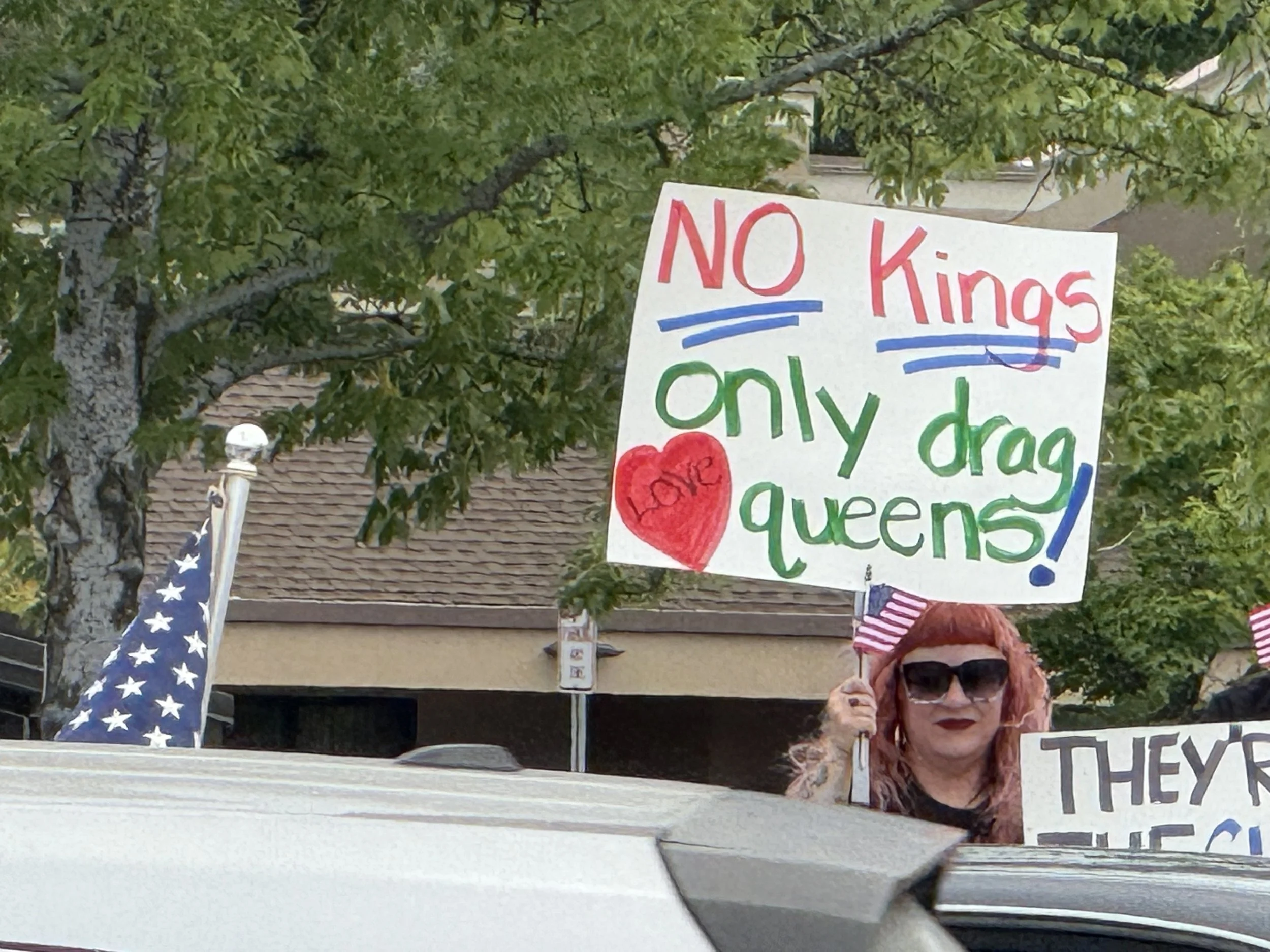
Sidebar: Outsmarting the Feed
Post like a witness, not a performer. Don’t livestream recklessly. Record what matters—police behavior, crowd mood, powerful moments—and upload it later with context. Use captions that tell a story, not just venting (“Marchers held silent vigil on city steps—no violence, no arrests”).
Tag with purpose: #SilentProtest #NoChaos #WeAreWatching. Avoid incendiary hashtags designed to bait trolls or bury your post in noise. Think like a documentarian: your job is to tell the truth so the liars can’t own the narrative.
What’s Really Going On?
I worry that Trump’s staging—National Guard deployments, maybe even Marines—isn’t just theater. It’s a trap. He wants broken windows. He wants fire on the screen. He wants just enough chaos to declare an insurrection and crown himself the solution.
And we might hand it to him—out of rage, out of exhaustion, out of habit.
But it doesn’t have to go that way.
These tactics aren’t radical. They’re rooted in history. They’re what worked in Selma, in Montgomery, in Greensboro. They weren’t the loudest actions. They were the most disciplined. And they were led—again and again—by women. Women who organized, strategized, calmed the chaos, and carried the movement forward when others fell away.
We need that leadership again.
Between the protests, there’s organizing. Between the marches, there’s messaging. The real work lives in the days between the headlines—building networks, sharing tactics, preparing people to show up right. That’s where women, especially, have always made the difference. We need your strength, your clarity, your presence now more than ever.
“You can pray until you faint, but unless you get up and try to do something, God is not going to put it in your lap.”
— Fannie Lou Hamer
What Do We Do Now? Next?
So I say this with love and urgency:
Wake up. Show up.
Speak with discipline, not just volume.
Don’t give them the footage they want.
Give them the movement they don’t know how to stop.
And to the women reading this: you’ve led us before. We need you to lead again.
This is not just about protest.
It’s about preparation.
It’s about presence.
It’s about reclaiming the story—before someone else writes the ending for us.
I’m not here to lead. I’m here to witness. To amplify. To hand you the megaphone when you’re ready to speak.
So speak with courage.
Speak with clarity.
We’re listening.